
Training Course in Biomass and Contemporary Uses
5 DaysTraining Course in Biomass and Contemporary Uses
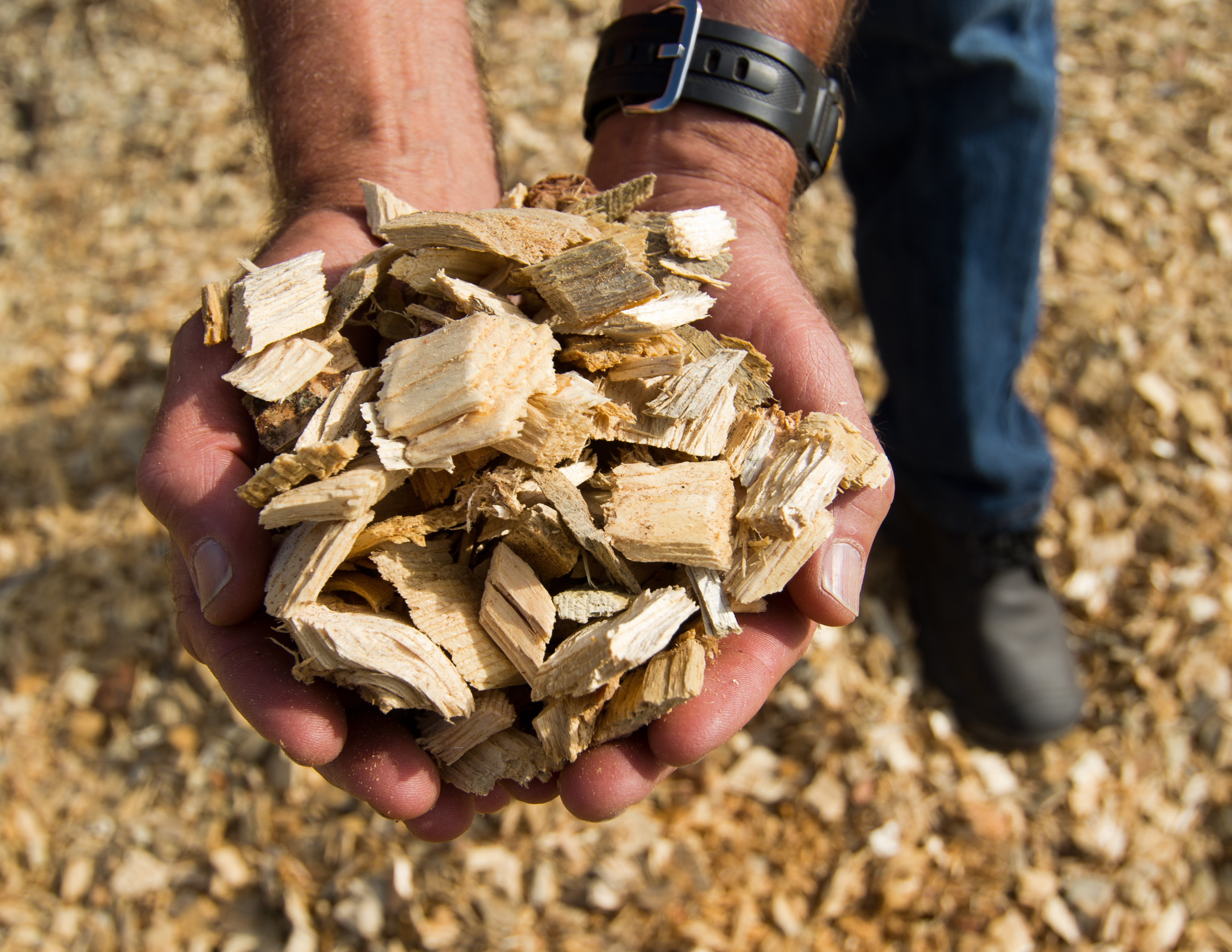
The British Academy for Training and Development offers this training program in Foundations of Biomass and Contemporary Uses, designed to equip professionals with a solid grounding in the science, technology, and strategic implementation of biomass as a sustainable energy resource. This course explores the full spectrum of biomass—its origins, processing methods, industrial applications, and relevance in today’s energy transition landscape. Participants will gain a comprehensive understanding of how biomass fits into global energy strategies, its environmental implications, and its role in reducing dependence on fossil fuels. Through structured content and expert-led instruction, the course prepares attendees to evaluate, plan, and manage biomass-based projects with both technical insight and strategic awareness.
Overview
Course Objectives
Who Should Attend?
- Environmental engineers and sustainability consultants seeking specialization in renewable energy sources.
- Energy sector professionals and policymakers involved in national or regional energy planning.
- Agricultural and forestry sector professionals interested in value-added resource management.
- Researchers, academicians, and technical staff exploring applied bioenergy solutions.
Knowledge and Benefits:
After completing the program, participants will be able to master the following:
- Understand the scientific principles and classification of biomass resources.
- Analyze current and emerging technologies for biomass conversion and utilization.
- Examine environmental, economic, and regulatory factors affecting biomass development.
- Evaluate the role of biomass in integrated energy systems and climate action plans.
- Enhance capacity to contribute to biomass-related projects in industrial or policy settings.
Course Outline
- Fundamentals of Biomass Energy
- Definition and classification of biomass types (woody, herbaceous, organic waste).
- Historical context and evolution of biomass as an energy source.
- Comparison with other renewable and non-renewable energy sources.
- Sources and Availability of Biomass
- Agricultural residues and energy crops.
- Forest products and byproducts.
- Urban and industrial organic waste streams.
- Technologies for Biomass Conversion
- Thermochemical conversion (combustion, pyrolysis, gasification).
- Biochemical conversion (anaerobic digestion, fermentation).
- Physicochemical methods and preprocessing techniques.
- Infrastructure and Supply Chains
- Collection, transportation, and storage of biomass feedstocks.
- Pre-treatment processes and logistical considerations.
- Integration with existing energy infrastructure.
- Biomass in Power Generation and Heating
- Biomass-fired power plants: design and operation.
- Cogeneration systems using biomass.
- Domestic and industrial heating applications.
- Liquid Biofuels and Biogas
- Bioethanol and biodiesel production routes.
- Biogas generation from waste treatment plants.
- Quality standards and fuel performance metrics.
- Environmental and Economic Implications
- Lifecycle assessment of biomass energy.
- Carbon neutrality and emissions analysis.
- Cost structure, subsidies, and return on investment.
- Policy and Regulatory Frameworks
- International directives and renewable energy targets.
- National incentives and compliance mechanisms.
- Sustainability criteria and certification systems.
- Emerging Trends and Innovations
- Algae-based biomass and advanced biofuels.
- Integration of biomass with carbon capture technologies.
- Hybrid renewable systems involving biomass.
- Strategic Implementation of Biomass Projects
- Project planning and feasibility assessment.
- Stakeholder mapping and risk evaluation.
- Scaling from pilot to commercial deployment.
Schedule & Fees
No upcoming sessions at the moment. Contact us for custom scheduling.