
Training Course in Hydrogen Energy
5 DaysTraining Course in Hydrogen Energy
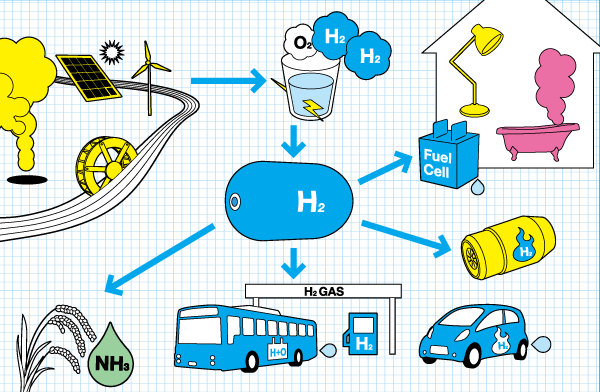
The British Academy for Training and Development offers this course "Hydrogen Energy" to provide professionals with a structured and comprehensive understanding of one of the most promising energy solutions of the 21st century. As global energy systems shift towards cleaner alternatives, hydrogen is emerging as a key player capable of supporting decarbonization across sectors—from power generation and transportation to heavy industry and storage. This course explores the full hydrogen value chain, equipping participants with the knowledge to navigate technical, infrastructural, and policy dimensions. Emphasis is placed on production technologies, infrastructure requirements, utilization pathways, and the evolving global market landscape. Delivered by expert instructors, the Hydrogen Energy course ensures that participants are prepared to contribute meaningfully to projects and strategies involving hydrogen technologies and systems.
Overview
Target Audience
-
Energy sector professionals seeking to transition into renewable and low-carbon technologies.
-
Government officials and policy advisors involved in shaping sustainable energy frameworks.
-
Engineers, project managers, and technical consultants working on infrastructure or fuel innovation.
-
Researchers and academic professionals focusing on clean energy systems and hydrogen technologies.
Knowledge and Benefits:
After completing the program, participants will be able to master the following:
-
Understand the scientific and technical foundations of hydrogen as an energy carrier.
-
Analyze the main production methods and their environmental and economic implications.
-
Evaluate infrastructure needs, storage technologies, and transport logistics for hydrogen.
-
Examine regulatory frameworks and the role of hydrogen in national energy policies.
-
Identify the key challenges and opportunities in global hydrogen markets.
Course Outline
-
Basics of Hydrogen as an Energy Source
-
Atomic structure and energy properties of hydrogen
-
Comparison with fossil fuels and renewables
-
Historical development and milestones in hydrogen use
-
-
Hydrogen Production Technologies
-
Electrolysis methods: alkaline, PEM, and solid oxide
-
Steam methane reforming and partial oxidation
-
Innovations in thermochemical and biological production
-
-
Classification of Hydrogen Types
-
Grey, blue, turquoise, and green hydrogen
-
Carbon capture and its integration with production
-
Environmental impacts of each hydrogen type
-
-
Hydrogen Storage Methods
-
Pressurized gas storage and tank design
-
Cryogenic liquid hydrogen systems
-
Solid-state storage and metal hydrides
-
-
Transport and Distribution Channels
-
Pipeline adaptation and dedicated hydrogen lines
-
Truck and rail transport for compressed hydrogen
-
Maritime hydrogen shipping technologies
-
-
Hydrogen Infrastructure Requirements
-
Centralized vs. distributed production models
-
Storage terminals and refueling networks
-
Integration with existing energy systems
-
-
Industry Applications of Hydrogen
-
Hydrogen in steel and cement production
-
Role in ammonia synthesis and refining
-
Replacing fossil fuels in industrial heating
-
-
Mobility and Fuel Cell Technologies
-
Fuel cell principles and efficiency
-
Applications in buses, trucks, and trains
-
Infrastructure requirements for hydrogen vehicles
-
-
Power Generation and Grid Use
-
Hydrogen-fueled turbines and combustion engines
-
Load balancing with hydrogen storage systems
-
Backup power for critical infrastructure
-
-
Cost Drivers and Market Dynamics
-
Cost structure of electrolysis and reforming
-
Hydrogen pricing mechanisms and subsidies
-
Economic viability in various sectors
-
-
National and International Hydrogen Strategies
-
Country-level roadmaps and targets
-
Cross-border hydrogen corridors and trade
-
Role of international cooperation and funding
-
-
Regulatory and Safety Standards
-
Codes and certifications for hydrogen systems
-
Risk management in storage and transport
-
Compliance with global safety benchmarks
-
-
Research and Development Trends
-
New materials for storage and transport
-
Advances in electrolyzer design and efficiency
-
Innovations in hydrogen purification and distribution
-
-
Integration with Renewable Energy Systems
-
Coupling hydrogen with wind and solar energy
-
Power-to-gas systems and hybrid grids
-
Decentralized hydrogen production from renewables
-
-
Global Outlook and Strategic Forecasts
-
Investment patterns and emerging markets
-
Projected demand in transport and industry
-
Long-term role in global energy transitions
-
Schedule & Fees
No upcoming sessions at the moment. Contact us for custom scheduling.